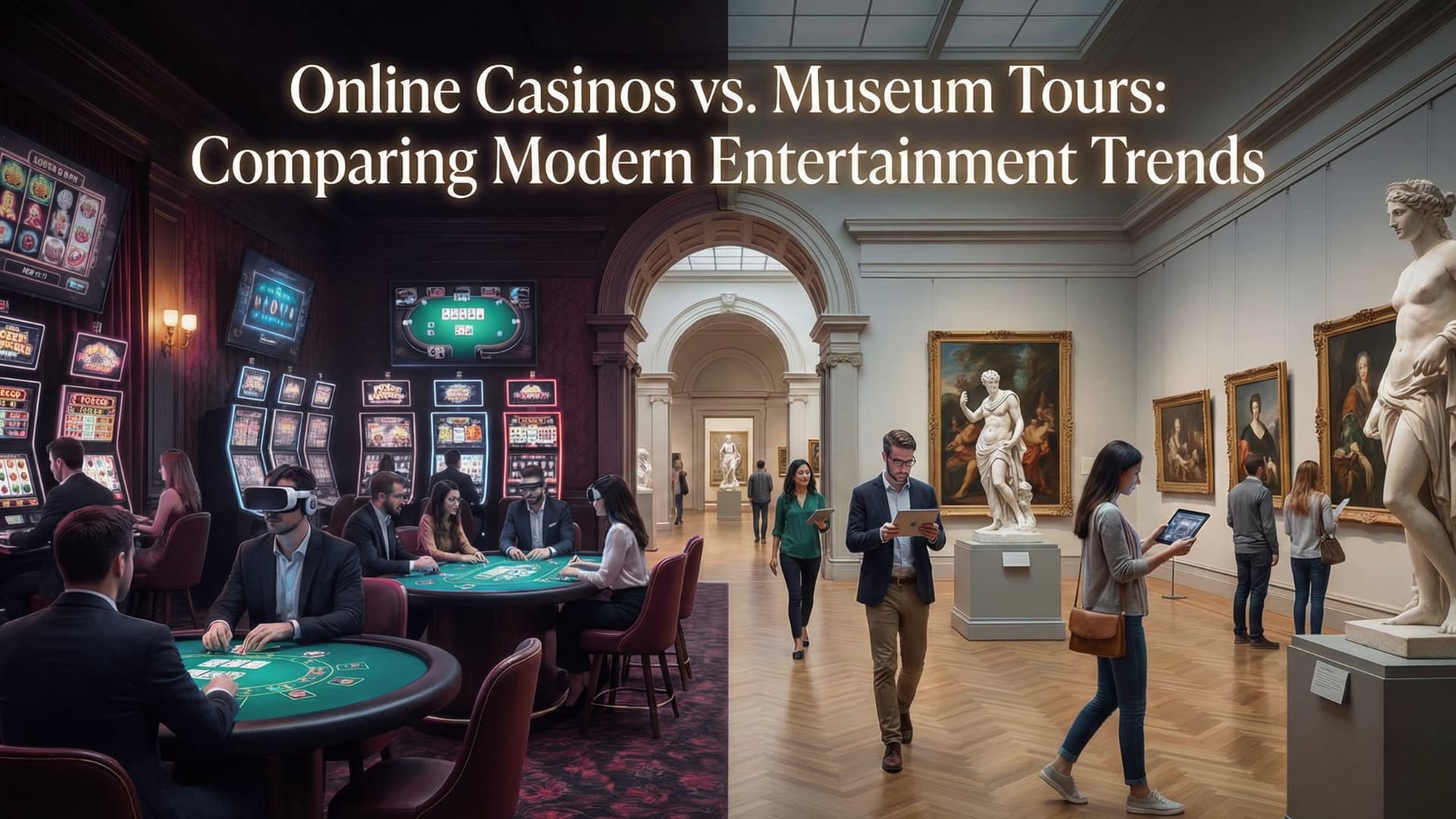
Entertainment changed drastically in the last decade. Two trends stand out. Online gambling exploded globally. Museum experiences went digital. Both compete for your free time and money.
Which one wins? Depends who you ask. Let’s break down both options honestly.
The Rise of Digital Gambling
Online casinos aren’t new anymore. They’re mainstream and popular like We1Win casino in Malaysia. We1win has simple online casino registration, sign in and We1 Win casino login processes which transformed players’ gambling approach. The numbers tell the story. Millions play daily. From slots to poker. From roulette to sports betting. All from their phones. All from their couches.
Why did this happen? Convenience crushed traditional casinos. You don’t need to dress up. Don’t need to drive anywhere. Don’t need to deal with crowds. Just open an app. Start playing. That’s it.
The pandemic accelerated everything. Lockdowns closed physical casinos. People needed entertainment at home. Online platforms filled that gap. And many never went back.
Museums Go Digital Too
Museums fought back with technology. Virtual tours became common. 360-degree views of galleries. High-resolution art photos. Interactive exhibits online. Some even added VR experiences.
Major museums led the charge. The Louvre. The British Museum. The Met. All created digital experiences. You can explore Egyptian artifacts from your bedroom. Study Renaissance paintings in detail. Learn history through interactive timelines.
Smaller museums followed. Local history museums. Science centers. Art galleries. Everyone realized digital presence matters.
The Casino Appeal
What makes online gambling attractive? Several things.
- Instant gratification. You play. You win or lose. Right away. No waiting. No planning. Just immediate results.
- Variety is massive. Thousands of games. Slots with every theme imaginable. Table games with different rules. Live dealers streaming from studios. Sports betting on every league. Something for everyone.
- Accessibility matters. Play at 3 AM in pajamas. Play during lunch break. Play while watching TV. No judgment. No dress code. Total freedom.
- Social elements exist too. Chat with dealers. Join tournaments. Compete on leaderboards. Some platforms even have community features. It’s not completely isolated.
- The thrill factor can’t be ignored. Real money creates real excitement. Winning feels amazing. Even small wins trigger dopamine. That rush keeps people coming back.
Before committing to any platform, check independent reviews on sites like this resource to verify legitimacy and player experiences.
The Museum Experience
Museums offer different values. Educational first. You learn things. About history. About art. About science. About culture. Real knowledge sticks with you.
Cultural enrichment matters to many. Seeing famous artworks. Understanding historical events. Appreciating human achievement. These experiences shape perspective.
Physical museums provide atmosphere. Walking through grand halls. Standing before massive paintings. Reading original documents. That presence can’t be fully replicated digitally.
Social value differs from casinos. Museums work great for dates. For family outings. For school trips. They’re socially acceptable everywhere. Nobody judges you for visiting museums.
Digital museum tours added convenience. Explore from anywhere. Pause when needed. Revisit favorite sections. Zoom in on details. Learn at your own pace.
Cost Comparison
Money matters. Let’s compare.
Casino gambling is variable. You can play for pennies. Or thousands per spin. Complete control over spending. But losses add up fast if you’re not careful. The house always has an edge. Long-term, most players lose money.
Museum admission is fixed. Usually $15-30 for adults. Sometimes free on certain days. Digital tours are often free. One-time cost. No risk of losing more. Predictable budgeting.
Hidden costs exist in both. Casinos tempt you with bonuses. But those come with requirements. Museums have gift shops. Cafes. Special exhibits cost extra.
Time Investment
How much time does each take?
Casino sessions vary wildly. Five minutes between meetings. Or six-hour binges. Completely flexible. But that flexibility can become a trap. Hours disappear fast when you’re engaged.
Museum visits are more structured. Physical museums take 2-4 hours typically. Digital tours can be shorter. 30 minutes to an hour. You control the pace. But there’s natural endpoints. Exhibitions end. Collections finish.
Accessibility Factors
Who can access what?
Online casinos have age restrictions. Usually 18 or 21 depending on location. Need internet connection. Need payment method. Some countries ban them entirely. Legal status varies globally.
Museums welcome everyone. Kids to seniors. Though some exhibits have age recommendations. Physical accessibility improved a lot. Ramps. Elevators. Audio guides. Digital tours removed physical barriers completely.
Geographic limitations differ. Casinos operate globally online. Museums exist in specific cities. Digital tours reduced this gap. But seeing art in person still requires travel.
Social Acceptability
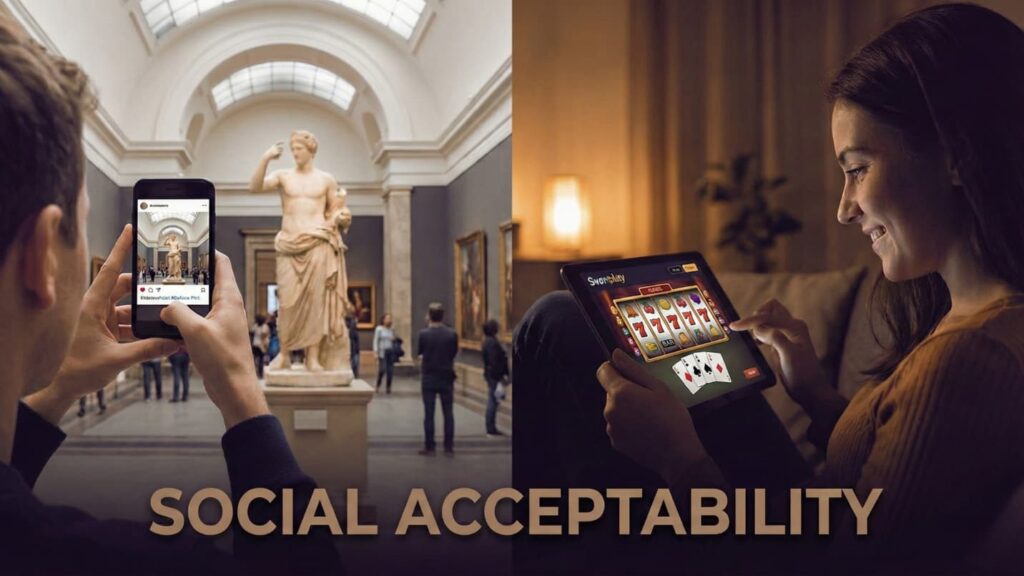
Society views these differently.
Gambling carries stigma in many cultures. Even though it’s legal in lots of places. People hide their casino habits. Don’t discuss losses openly. There’s shame around problem gambling.
Museums are universally respected. You can brag about visiting museums. It sounds sophisticated. Educational. Cultured. No negative judgment.
This affects behavior. People are into Svenplay and similar platforms like Sven Play casino in Canada quietly, keeping their gaming private. Museums get shared on social media. Posted about. Recommended to friends.
Health Implications
Both affect wellbeing differently.
Casino gambling risks addiction. The dopamine cycle creates dependencies. Financial stress from losses. Relationship problems. Mental health issues. These are real dangers for susceptible people.
Screen time affects both. Eye strain. Posture problems. Sedentary behavior. But museums encourage moving around. Even digital tours involve less intense screen focus than casino games.
Stress levels differ. Gambling creates anxiety for many. Will I win? Can I afford to lose? Museums generally reduce stress. Calm environments. Beautiful surroundings. Educational engagement.
Learning Outcomes
What do you gain?
Casinos teach probability. Risk management. Maybe some strategy. But mainly they’re entertainment. Not educational tools. Knowledge gained is minimal.
Museums are built for learning. Every exhibit teaches something. History. Science. Art techniques. Cultural contexts. You leave knowing more than when you arrived.
Retention varies. Casino experiences blur together. That slot session? Forgotten quickly. Museum visits stick. You remember specific pieces. Interesting facts. Stories that moved you.
The Hybrid Future
Interestingly, these worlds are merging. Some museums gamified their digital experiences. Points for exploring. Badges for learning. Leaderboards for quizzes. Borrowed from gaming psychology.
Casinos added educational elements. Historical themed slots. Cultural references. Though education isn’t the goal. Just decoration.
Both invested heavily in technology. VR. AR. AI guides. Interactive features. The line between entertainment and education blurs.
Making Your Choice
Which should you pick? Depends on your goals.
Want quick entertainment? Casinos deliver. Want to learn something? Museums win. Need social acceptability? Museums again. Want potential profit? Casinos offer that. Though profit is unlikely long-term.
Consider your vulnerabilities. Addictive personality? Stay away from gambling. Limited budget? Museums are safer. Lots of free time? Museums provide healthier consumption.
Think about values. What matters to you? Thrill? Education? Culture? Financial gain? Social status? Your values determine the better choice.
The Balanced Approach
You don’t have to choose exclusively. Balance exists.
Visit museums regularly. Feed your mind. Learn new things. Appreciate culture. This enriches life meaningfully.
If you gamble, do it responsibly. Set strict budgets. Time limits. Treat it as an entertainment cost. Not investment. Never chase losses.
Recognize when habits become problems. Gambling too much? Taking time away from relationships? Spending beyond means? Those are red flags. Adjust immediately.
Use museums as a counterbalance. They provide healthy escapism. Mental stimulation. Social opportunities. Everything gambling lacks.
Final Thoughts
Both online casinos and museum tours represent modern entertainment evolution. Both adapted to digital demands. Both serve purposes.
But they’re fundamentally different. Casinos prioritize profit and excitement. Museums prioritize education and culture. One depletes resources. The other enriches understanding.
Your entertainment choices shape your life. Choose wisely. Diversify your activities. Don’t let any single thing dominate.
Museums will make you smarter. Casinos might make you poorer. That’s the honest truth. Entertainment value exists in both. But long-term impact differs dramatically.
Explore both if you want. Just understand what you’re getting into. Set boundaries. Stick to them. And remember that your time and money are precious. Spend them on things that actually improve your life.